

How-to guide
How to use a carpet cleaner
Clean carpet with a hired or bought carpet cleaner, from the first vacuum to putting the machine away. What matters most: do not over-wet the carpet, and let it dry fully.
The short answer
Read the machine's instructions first. Clear the room, vacuum it thoroughly and pre-treat stains. Fill the clean water tank to the line with water and the amount of solution the label gives, no more. Start in the corner furthest from the door and work back in slow, straight, overlapping passes. Finish with suction-only passes, then air the room and stay off the carpet until it is dry.
What you need
- Carpet cleaning machine
- Solution made for it
- Your own vacuum cleaner
- Stain remover and white cloths
- Fans or a dehumidifier
How to use a carpet cleaner, step by step
For a hired or bought home machine. Where its own instructions differ, follow them.
- Clear the room and vacuum it thoroughlyMove the furniture out, and put foil, baking paper or plastic film under the legs of anything that stays, so moisture does not cause colour transfer or rust stains. Then vacuum the carpet thoroughly.
- Pre-treat stains and test a hidden spotTest the remover and the machine's solution on a hidden patch first. Then put the remover on each stain, leave it for the time its label gives, and blot from the outside in with a clean white cloth. Do not rub.
- Read the instructions, then fill the tankRead the label on the machine and the directions on the solution bottle, and follow them on water temperature and on which pass sprays, as machines differ. Fill the clean water tank to the line with water and the amount of solution the label gives, no more: extra solution can stain carpet. Check the hoses are firmly connected.
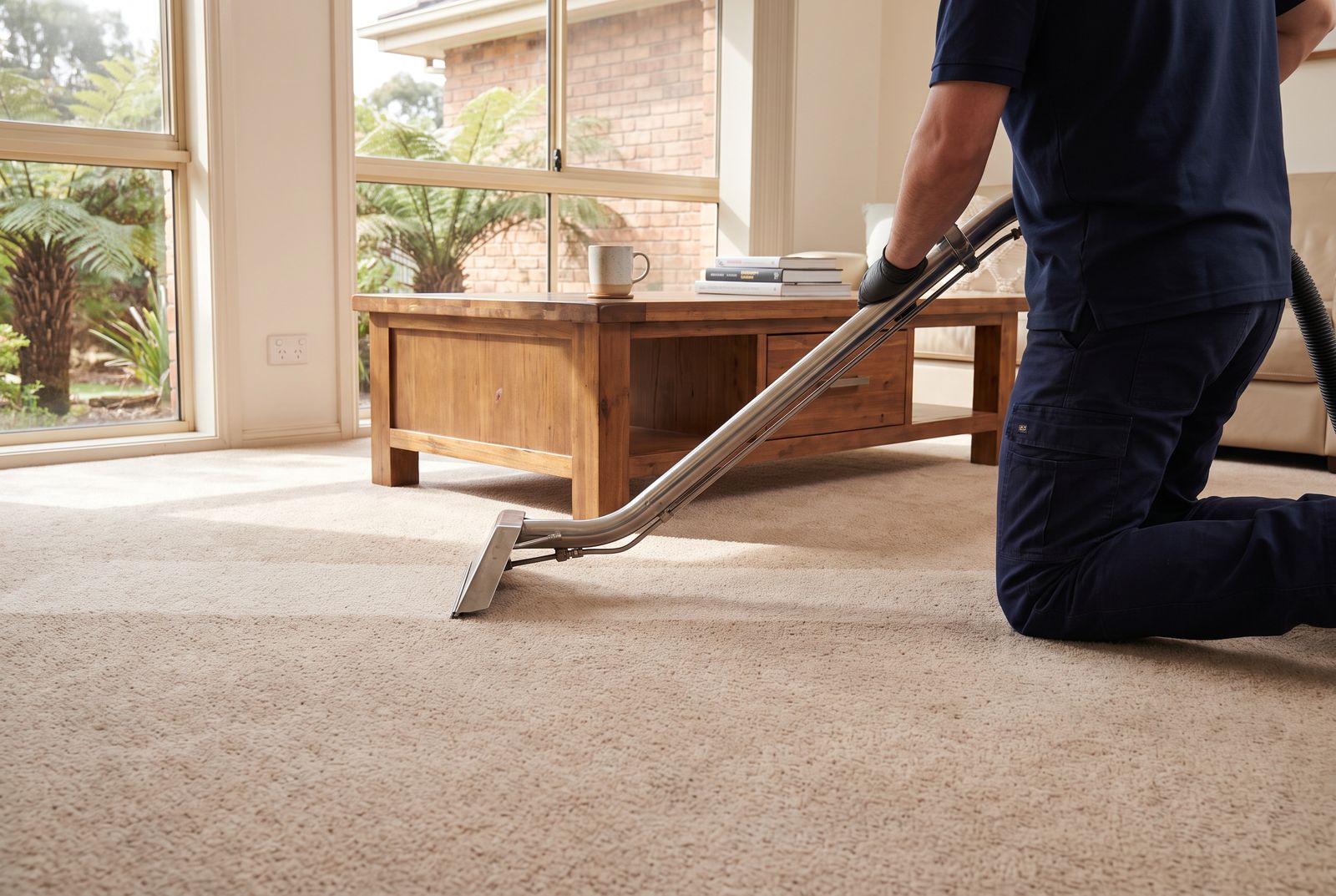
- Start in the far corner and work backSwitch on both spray and suction. Start in the corner furthest from the door and work back towards it, so you do not walk on cleaned carpet. Press the spray trigger and move slowly in straight, slightly overlapping lines. Go over very dirty or high-traffic areas more than once.
- Empty the dirty tank, refill the clean oneKeep an eye on both tanks. When the clean water runs low, switch off, empty the dirty water tank and refill the clean one with water and solution as before.
- Make extra passes with suction onlyGo back over the carpet without pressing the spray trigger, so the machine only sucks up water. Lift as much as you can: carpet that stays damp too long can smell musty or grow mould.
- Air the room and stay off the carpetOpen windows and doors, and run fans, heating or the air conditioner. Drying can take up to a day with high humidity or poor airflow. Keep people and furniture off the carpet until it is completely dry, then vacuum to lift the pile.
- Empty, rinse and dry the machineSwitch off and pull out the plug. Empty both tanks, rinse them and let them dry before you store the machine. Clean a hired one the way its instructions say before you return it.
What you need to use a carpet cleaner
Have these ready before you start.
Carpet cleaning machine
A home carpet cleaning machine, hired or bought. Hardware stores and some supermarkets hire them. For stairs or a couch, use its hand or upholstery tool.
Solution made for it
The carpet cleaning solution recommended for your machine. Check the machine's label before you buy, as not every solution suits every machine.
Your own vacuum cleaner
A vacuum cleaner to lift loose dirt first, so it does not turn into muddy residue when wet or clog the machine.
Stain remover and white cloths
A spot, stain or odour remover for marks, and clean white cloths or absorbent towels to blot them and check a test patch for colour transfer.
Fans or a dehumidifier
Fans to move air across the damp carpet. On cold or wet days, a hired dehumidifier or blower dryer helps.
Power, water and cleaning products: staying safe
What government safety pages say about appliances and cleaning products at home.
Keep leads out of wet areas
Energy Safe Victoria says water and electricity do not mix. It says not to use extension leads or power leads in wet areas unless they are specifically designed for that purpose, and never to touch anything electrical with wet hands or bare feet.
Unwind cords and use a safety switch
NSW Fair Trading says to fully unwind extension cords before use, as they may overheat, and to use a safety switch, also known as a residual current device or RCD. It says to treat a tingle or slight shock as a warning, and not to touch that appliance again until an approved repairer has fixed it.
Follow the label on cleaning products
The Better Health Channel, on chemicals in the home, says to read the label and follow the instructions for use, have the recommended protective equipment, such as gloves, safety goggles and a face mask, and work in a well ventilated area. It warns that mixed chemicals may create a poisonous gas or liquid.
If you are allergic to dust mites
The Better Health Channel says vacuuming makes house dust mite allergens airborne for up to 20 minutes. If you are allergic to dust mites, it says to wear a mask or ask someone else to vacuum, and that you may air the house for an hour or so afterwards.
Where carpet cleaner guides disagree
These splits can affect your carpet, so here is each side.
Hot, warm or cold water
Three guides fill the tank with hot water, one with warm water, and one says cold or warm, but not hot. Avoid hot water on wool, and on blood, milk, egg, vomit or urine, which heat sets into the fibre.
A rinse with plain water
Three guides go over the carpet again with plain water and no solution, because leftover shampoo can attract dirt. Others leave the rinse out. If you rinse, finish with suction-only passes, as over-wet carpet is slow to dry.
Which cleaning solution
Two machine makers say to use only their own solution, and one warns that products not made for water extraction cleaning can damage carpet. Other guides say to use one recommended for, or compatible with, your machine.
Using a carpet cleaner on wool, rugs and pet urine
What changes on some carpets and jobs.
| Carpet or job | What to do |
|---|---|
| Wool | Check the carpet maker's care guide first. Avoid hot water, use a wool-safe solution and keep the carpet as dry as you can, as wool can shrink if over-wet. |
| Rugs and fabric | Some rugs and fabrics should not be cleaned with water-based liquids. Check the label, and test a hidden spot for colour run first. |
| Pet urine | Blot and pre-treat it before the machine clean, and avoid heat, which can set urine into the fibre. |
Checked on 12 November 2026.
When to call a professional
Call a professional if any of these apply.
- The carpet is soaked from a flood or leakA hire machine is not meant for carpet soaked by a flood or a plumbing leak. NSW Health says to completely clean and dry water-damaged carpet, and discard material that cannot be. Flood drying is a separate job from a carpet clean.
- It smells musty or has mouldCarpet left damp too long can smell musty. The Australian Centre for Disease Control says to have mould-contaminated carpets and rugs professionally cleaned, or replace them.
- Stains or odours have soaked inSome stains need professional treatment, and urine that soaks below the surface usually needs its own treatment. Bad cases can need new underlay. A professional steam clean suits heavy soiling, pet urine and move-outs.
- You are not sure the carpet suits itSome carpets and rugs should not be cleaned with water-based liquids, and the wrong method can void a warranty. A professional checks the fibre to choose the method.
A professional typically checks the fibre, pre-sprays soiled areas and gives it a few minutes to loosen dirt, then flushes hot water and solution into the pile, vacuums it straight back out and makes extra dry passes. As an estimate, a clean typically costs $90 to $240 for one or two rooms and $150 to $600 for five. Home Ready Cleaning passes your job to one local cleaning business.
Full details: Carpet cleaning
More on carpet cleaning
More how-to guides
Carpet cleaning in the most searched places
About Home Ready Cleaning
Official sources
Checked on 13 November 2026.
- Energy Safe Victoria, Using electricity safely
- NSW Fair Trading, Avoiding electrical accidents
- Better Health Channel, Chemicals in the home
- Better Health Channel, House dust mite
- NSW Health, Mould
- Australian Centre for Disease Control, Preventing mould exposure