


Stain and smell guide
How to get blood out of carpet
Fresh blood often lifts from carpet with cold water, a little dishwashing liquid and gentle blotting. Dried blood takes extra steps and may not fully come out. Never use hot water.
The short answer
Act fast, with cold water only. Blot with a clean white cloth from the outside in, never rubbing. Rinse with a little cold water and blot. Dab on a mild dishwashing liquid mix, rinse, and press a thick dry towel on the spot. For dried blood, loosen the flakes and soften it with cold water first.
What you need
- Disposable rubber gloves
- Clean white cloths
- Cold water and spray bottle
- Clear dishwashing liquid
- Thick dry towel
How to get fresh blood out of carpet
For dried blood, do the dried blood steps further down first.
- Put on gloves and blot up the bloodPut on disposable gloves, as SA Health advises for blood spills. Press a clean white cloth straight down and lift. Rubbing spreads blood and pushes it deeper. Work from the outside in, using a fresh part of the cloth each time.
- Rinse with a little cold waterMist on a little cold water, or dab it on with a damp cloth or sponge, then blot. Repeat until no more blood comes up. Use as little water as you can: soaking can wet the underlay and cause mould.
- Mix the soap, test it, then dab it onStir a little clear dishwashing liquid into cold water: guides range from a few drops in a cup to one tablespoon in two cups. Test it on a hidden patch first, and if the colour changes, stop and call a professional. Then dab it on with a sponge or cloth and blot from the outside in until no more colour comes up.
- Rinse out the soap and press it dryBlot with a cloth dampened in plain cold water to lift out the soap. Then lay a dry towel, folded thick, on the spot and stand on it, or weigh it down. A wet and dry vacuum pulls out more water.
- Dry it fast, then vacuumRun a fan or open a window to speed drying, then vacuum to lift the pile once it is dry. If a faint mark is left, repeat the gentle steps rather than scrubbing harder.
What you need to get blood out of carpet
Gather these before you touch the stain.
Disposable rubber gloves
SA Health advises disposable rubber gloves for cleaning up blood, with eye protection and a plastic apron where there is a risk of splashing.
Clean white cloths
Plenty of white cloths or paper towels, so you can keep moving to a fresh section and lift the blood rather than put it back.
Cold water and spray bottle
Cold water only. A spray bottle, damp cloth or sponge adds a little at a time, so the carpet does not get soaked.
Clear dishwashing liquid
A mild, plain dishwashing liquid with no colour or added moisturisers. Coloured detergents can leave a stain of their own.
Thick dry towel
A dry towel folded thick, to lay on the damp spot and stand on or weigh down, so it draws the water out.
Staying safe when you clean up blood
From government health pages. None is about a home carpet, so each says what setting it covers.
Treat all blood as possibly infectious
SA Health's page on blood spills says all blood and body substances should be treated as potentially infectious, and its precautions cover dried blood too. When you finish, it says to seal the gloves, paper towel and cleaning cloth in a plastic bag, which may go out with household waste, then wash your hands thoroughly with soap and warm water.
Cover any cuts on your hands
The National Health and Medical Research Council's Staying Healthy guidelines, written for childcare services, say to cover any cuts or abrasions on your hands with waterproof dressings and wear gloves, and recommend eyewear if body fluids may splash into your eyes.
If blood gets on your skin or eyes
SA Health says to wash blood off your skin well with soap and water, whether or not you have cuts, to rinse splashed eyes gently but thoroughly with water while they are open, and to remove clothing with blood on it.
Do not mix bleach with other cleaners
On its page about mould removal at home, the Victorian Department of Health's Better Health Channel says not to mix bleach with ammonia, acids or other cleaners, because this can release hazardous chlorine or chloramine fumes.
How to get dried blood out of carpet
Dried blood is harder to lift, as its proteins harden and bond with the fibre. It needs a few extra steps.
Loosen and vacuum it first
Loosen the dried surface gently with a blunt knife, the edge of a spoon or a soft brush, then vacuum up the flakes before any water goes on.
Soften it with cold water
Dampen the spot with a little cold water and let it sit briefly to soften, without soaking the carpet. Then blot, and carry on from the soap step above.
Try a paste on what is left
If a mark remains after the soap steps, guides spread a paste of salt or baking soda and cold water on it for 15 to 20 minutes, then scrape it off and vacuum. Dried stains do not always lift completely at home.
Where the guides disagree
Guides differ on these. Here is each side, with its caution.
Cold or warm water
Stain removal guides agree on no hot water, as heat sets blood into the fibre. One allows lukewarm, the rest say cold only, and three warn against steam until the blood is gone. Government pages on blood spills, which are about infection rather than stains, use warm water and detergent (SA Health, and the NHMRC for childcare) or hot water (Better Health Channel, for workplaces).
3% hydrogen peroxide
Five guides suggest dabbing a little 3% hydrogen peroxide on dried or stubborn blood after a hidden-spot test, then blotting. One advises against it unless you are sure the carpet is colourfast. It can lighten carpet, especially darker shades, and two guides avoid it on wool. Test times range from 5 minutes to 24 hours.
White vinegar
Two guides mix 1 cup of vinegar with 2 cups of cold water for older stains. Two say it is not for wool, citing its acidity and the risk of stripping wool's natural lanolin. The NHMRC, writing for childcare services, says not to use domestic kitchen products, such as vinegar, as cleaning products or disinfectants.
Household ammonia
One guide suggests household ammonia in cold water on synthetic carpet only, and warns of its strong fumes. Two say to avoid it, one on any carpet as it can damage fibres, one on wool. See the Better Health Channel warning on mixing, above.
Bleach and disinfecting
Two stain guides say to avoid bleach on carpet, as it can strip colour and damage fibres. SA Health disinfects blood spills on surfaces with household bleach diluted to the maker's instructions, and the NHMRC says bleach may damage some surfaces, especially when concentrated. None of the stain guides shows how to disinfect carpet without that risk.
When to call a professional
Call a professional if any of these apply.
- The carpet is wool, silk or valuableNatural fibres are harder to clean and take fewer products, so guides suggest a professional for wool, silk or high-value carpet when you are unsure what is safe. On wool, they keep to cold water, dishwashing liquid and a salt paste.
- The stain is old or set inBlood left for days or weeks is much harder to shift at home. A professional has stronger products and equipment, which is often safer than repeated home attempts.
- It is large or has reached the underlayGuides send large stains to a professional. Blood in the underlay is beyond surface cleaning, can develop an odour, and needs a clean that flushes out the deeper layers.
- Home tries have not workedIf one or two careful attempts have not lifted it, or it keeps coming back as it dries, stop. More scrubbing, or product after product, can set it or cause permanent damage.
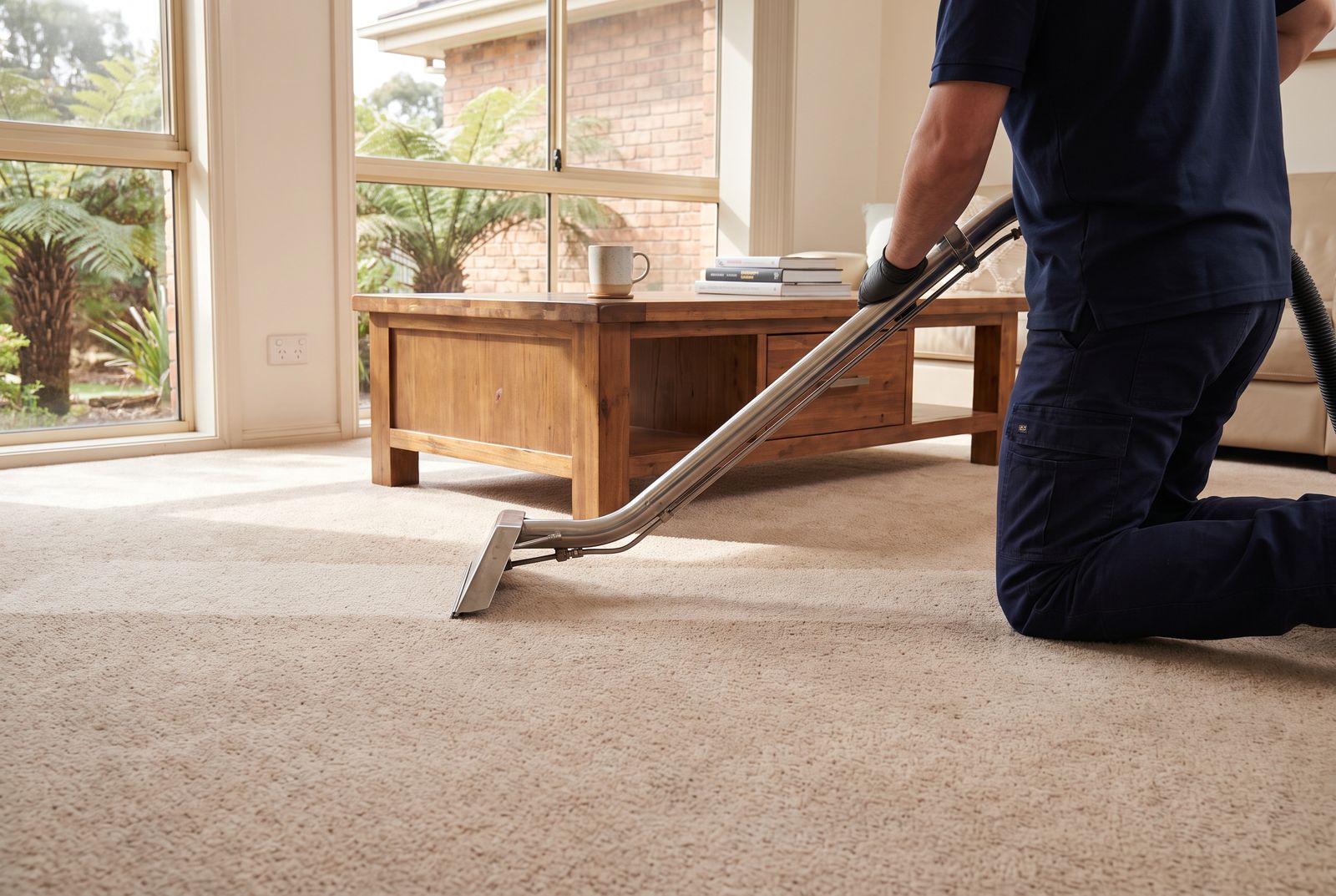
A professional typically uses stronger protein stain removers and extraction equipment that rinses the spot and pulls the water back out. A spot added to a carpet clean typically costs $10 to $90, and a visit for stains only usually $80 to $180, as most businesses have a minimum charge. Home Ready Cleaning passes your job to one local cleaning business, and a local cleaner gets back to you within the hour.
Full details: Carpet cleaning
More on carpet cleaning
More stain and smell guides
- Carpet deodorising
- How to spot clean carpet
- Remove dog urine smell
- How to get vomit off carpet
- How to get pee odour out of carpet
- How to get dog poop off carpet
- How to get paint out of carpet
- Remove red wine from carpet
- How to get oil off carpet
- How to remove cat pee smell from carpet
- Remove coffee stains from carpet
- Remove pet stains
- How to get milk out of carpet
- How to get makeup off carpet
- How to get a tea stain out of carpet
- How to get rust stains out of carpet
- Remove glue from carpet
- How to remove wet carpet smell
- Remove ink from carpet
- How to get dog urine out of furniture
- How to get mud off carpet
- How to get furniture marks out of carpet
- How to remove dog pee smell from the floor
- How to remove new carpet smell
Carpet cleaning in the most searched places
About Home Ready Cleaning
Official sources
Checked on 13 November 2026.
- SA Health, Handling blood and other body substances
- National Health and Medical Research Council, Staying Healthy guidelines, A Healthy Environment
- Better Health Channel, Mould removal at home
- Better Health Channel, Workplace safety - infection control