

Trauma cleaning
Need a trauma cleaner? Hear back within the hour.
Calm, discreet cleaning after a death, accident or crime at home. Tell us what happened and one verified local specialist gets in touch.
- Licence checked and insured
- Verified by Home Ready Cleaning
- Matched with a trauma cleaning specialist
From 500+ reviews
Checked before they get your job
- Back within the hourA local trauma cleaner gets back to you within the hour.
- Licence checkedWe check each business's licence before it gets jobs.
- InsuredEvery business we pass jobs to is insured.
- Verified by Home Ready CleaningLook for the badge. Only verified businesses get your job.
What trauma cleaning typically covers
Every business works its own way, and the plan is set when they see the property. These are the jobs most trauma cleaners list.
The affected area
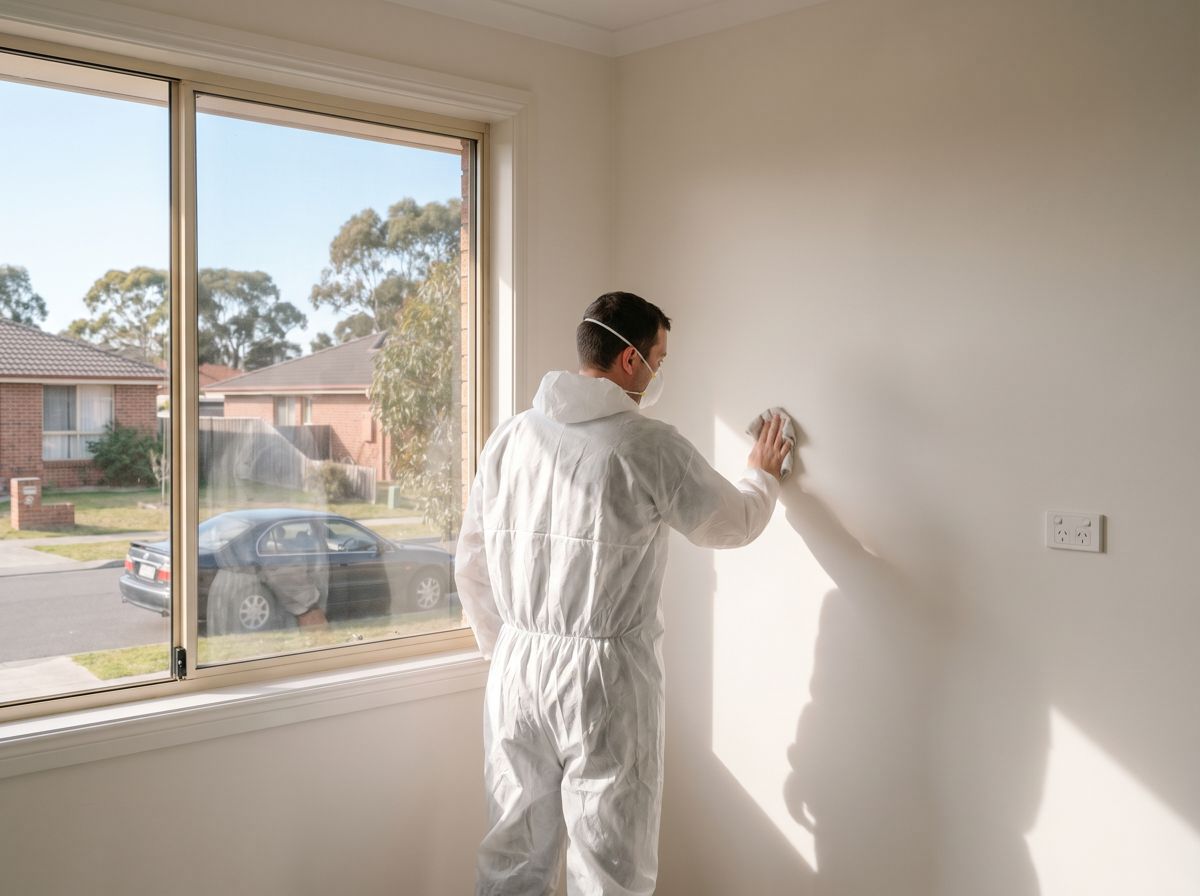
- Blood and body fluids cleaned from surfaces
- Surfaces disinfected once they are clean
- Walls, floors and fittings in the area cleaned
- The area closed off while the work is done
- More than one round of cleaning where needed
Floors and nearby surfaces
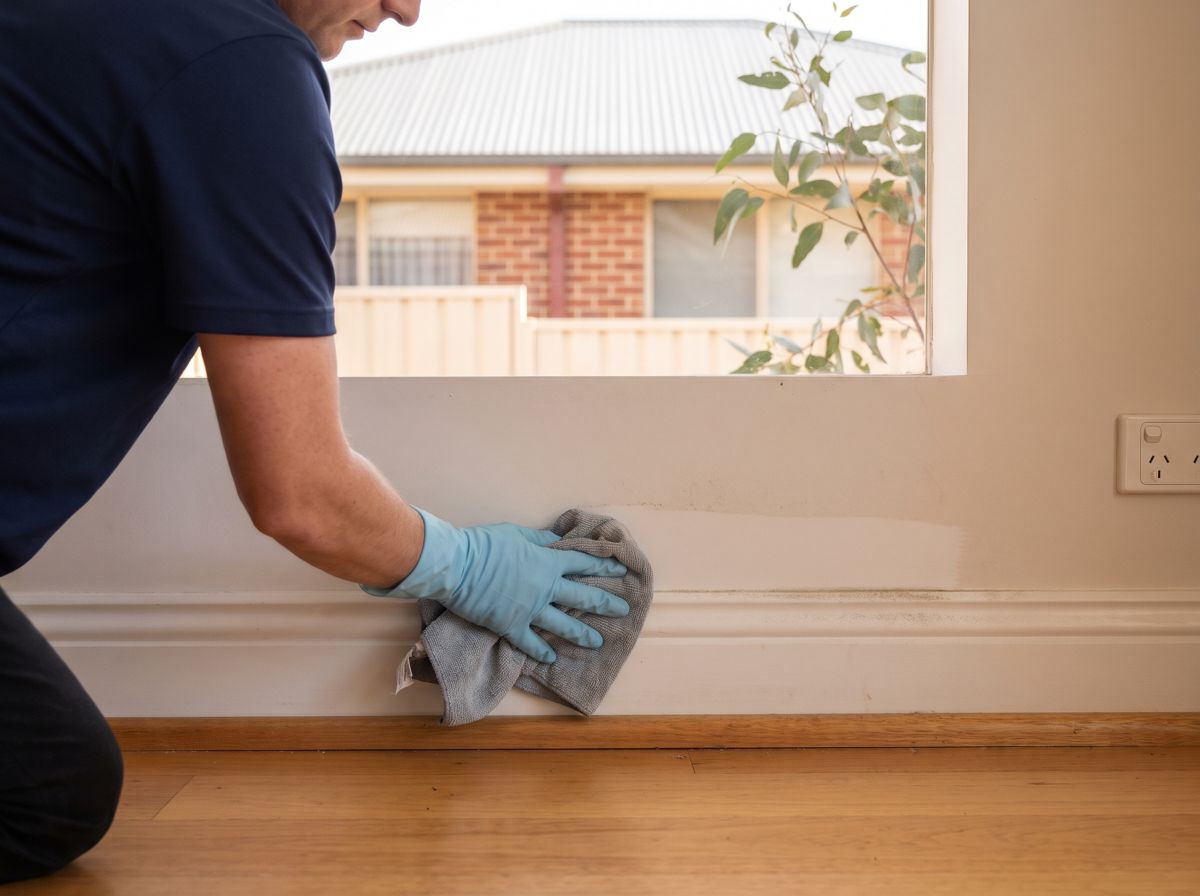
- Hard floors cleaned and disinfected
- Skirting boards, grout and joins checked
- Carpet and underlay lifted if fluid soaked in
- Plasterboard or flooring cut out if needed
- Removed materials sealed and taken away
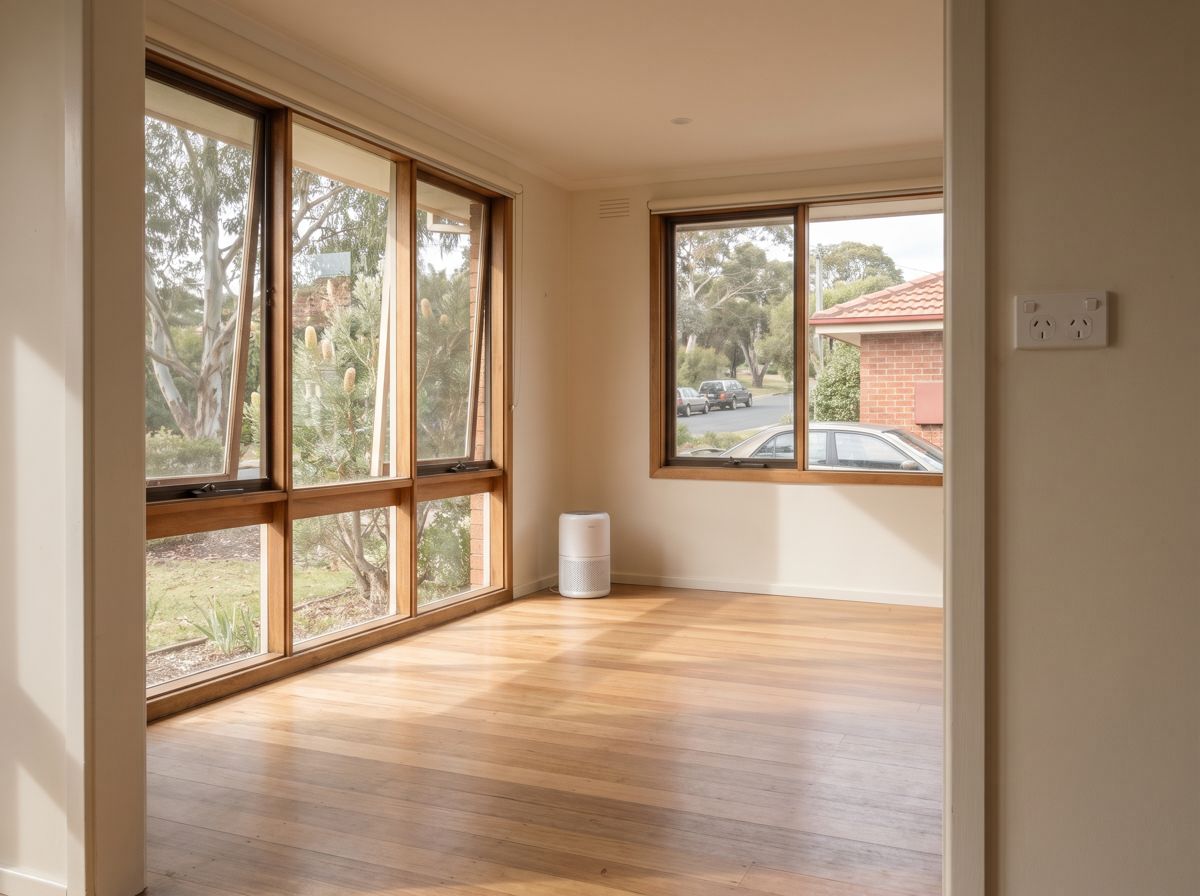
Odour and air
- Odour treated at its source, not covered up
- Air cleaning machines used where needed
- Soft items holding odour removed if needed
- A final check before the room is handed back
Belongings and records
- Belongings checked to clean, keep or dispose of
- Removed items listed if you or your insurer need it
- Photos only with your consent, or for insurance
- A written summary of the work when it is done
Sometimes included
On some lists and not others. Ask when they look at the property.
- Testing to confirm the area is clean
- Removing fingerprint powder left by police
- Help with an insurance claim
- Minor repairs after materials are removed
Often priced separately
Businesses rarely publish prices for these, so each is priced when they see the property.
- Cleaning a vehicle after an incidentPriced at the visit
- Clearing a deceased estatePriced at the visit
- Extra visits for strong odourPriced at the visit
- Removing carpet, underlay or plasterboardPriced at the visit
Not part of a trauma clean
These are separate jobs with their own trades or specialists.
- Larger repairs and rebuilding
- Replacing carpet, flooring or furniture
- Hoarding, sewage and drug residue clean-ups
- A general clean of rooms not affected
What kind of trauma clean is it?
Trauma cleaning usually follows one of three kinds of event. Share as much or as little as you are comfortable with. The cleaner works out the rest when they see the property.
After a death at home
After a sudden death, including a suicide, or when someone died at home and was not found for some time. The clean usually covers flooring, soft furnishings and odour as well as surfaces.
After a crime
Cleaning a home after a violent crime. Victims support may help with the cost. If police are involved and you are unsure who arranges the cleaning, ask the officer in charge.
After an accident or injury
A fall or injury at home can leave blood on carpet, timber or grout. A small area on a hard surface is usually the quickest and lowest priced trauma clean.
What is different about trauma cleaning, and when to book it
How it differs from a deep clean, when to book it, what it does not fix and how to choose between the types.
How it differs from a deep clean
A deep clean covers every room of a home you are living in, usually for a set price by bedrooms and bathrooms. A trauma clean is a separate job, done by specialists. It works on the affected area, removes what cannot be safely cleaned, and disinfects surfaces once they are clean. The price is usually set when a cleaner sees the property, or sometimes from photos.
When to book it
A trauma clean is usually booked after a death at home, a crime at the property, or a fall or injury that left blood on carpet, timber or grout. Contamination can sit beneath carpet, in grout lines or behind skirting boards, and some trauma cleaners check skirting boards, grout and joins as part of the job.
What it usually does not fix
A trauma clean removes what cannot be saved, but it does not replace it. Replacing carpet, flooring or furniture, and larger repairs and rebuilding, are separate jobs with their own trades or specialists. Some trauma cleaners refer larger structural work to restoration services. Severe odour can also need more than one visit.
How to choose between the types
If more than one type fits, mention each. The type shows how far the job may reach: a small area on a hard surface after an accident is usually the smallest job, and a death not found for some days the biggest. It also shows who may help pay: victims support after a violent crime, and in Victoria, WorkSafe after a work-related death at the worker's or a family member's home. Check with each scheme what it covers.
Estimated trauma cleaning prices
Every situation is different, so the price is set when a cleaner sees the property, or sometimes from photos. These are wide estimates of what to expect. Every business sets its own price.
| The job | Usual time | Estimated price |
|---|---|---|
| Small area, surface only | A few hours | $1,000 to $3,000 |
| One room | A few hours to a full day | $3,000 to $8,000 |
| After a death not found for some days | A day or more | $5,000 to $15,000 |
| Full range across all trauma jobs | A few hours to several days | $1,000 to $15,000 |
Estimates only. A site visit sets the real price, and some jobs cost more than the top of these ranges. Every business sets its own price. Estimates checked on 12 November 2026.
What moves the price
- How far it has spread
- A small area on a hard floor is a much smaller job than fluid that has reached carpet, furniture or more than one room.
- Time before it was found
- The longer a death goes undiscovered, the more of the home is usually affected, and the bigger the job.
- What has to be removed
- Carpet, underlay, mattresses and sometimes plasterboard or timber flooring may need to be cut out and taken away, which adds time and disposal costs.
- Waste disposal
- Biohazard waste is priced by its type and amount, so more waste usually means a higher price.
- Odour and equipment
- Strong odour can need air cleaning machines, and some businesses charge for equipment hire on top of labour.
- Urgency and travel fees
- Some businesses charge more for urgent or after-hours work, and some add a travel fee.
When you may not need trauma cleaning
Three cases where trauma cleaning is not the right job.
The problem is sewage, needles or drug residue
Sewage and drug residue clean-ups are not part of a trauma clean. Book biohazard cleaning instead, which covers them and used needles, each with its own equipment and methods.
The home is affected by hoarding
If no one has died or been hurt and clutter is the main problem, book a hoarder clean-up. That work is mostly sorting and clearing with the person who lives there, then a clean of each room once it is clear.
The home only needs clearing after a death
If no part of the home was affected and it only needs clearing, that is a deceased estate clear-out, not a trauma clean. Some trauma cleaners offer it, but it is often priced as a separate job, when they see the property.
Trauma cleaning: who arranges it and who may help pay
This applies after a death, a crime or an accident at home.
- Ask the police first. In NSW the owner or occupier usually arranges and pays for the clean, and police will tell you if they are arranging it.
- In Western Australia, after an unlawful killing at home, only the police can apply for the funded cleaning service, and they must apply before the clean. Speak to them before you book.
- After a violent crime, your state's victims of crime service may help with the cost. Queensland, South Australia and the ACT name crime scene cleaning. In Tasmania and the Northern Territory, ask the victims service whether a clean can be claimed.
- These schemes do not pay for costs your insurance covers. Keep quotes and receipts for any claim.
Deep, carpet and couch cleaning with a trauma clean
What the trauma clean covers, and when each of these jobs is booked on its own.
Deep cleaning
A general clean of the rooms not affected is not part of a trauma clean. If the rest of the home also needs cleaning, book a deep clean as its own job. It works around your furniture and reaches the skirting boards, door frames, window tracks, fans and dust a regular clean skips.
Deep cleaningCarpet cleaning
Where fluid soaked in, carpet and underlay in the affected area are usually lifted during the trauma clean, and replacing them is a separate job. Carpet in rooms that were not affected can be booked as a carpet clean, usually priced by the room.
Carpet cleaningCouch cleaning
Soft furnishings in the affected area that soaked up fluid often cannot be saved, and are dealt with in the trauma clean. A couch in a room that was not affected can be booked as a couch clean, usually priced by the seat.
Couch cleaningWhat to expect on the day
How a trauma clean usually runs, so you know what is happening while the work is done.
A look first
The cleaner usually inspects the area and works out what can be cleaned and what must go.
Privacy
Many businesses can arrive in an unmarked vehicle and plain clothes if you ask. Photos are taken only with your consent or for insurance.
Family stays away
Most businesses ask family to stay out of the area while they work. Some suggest leaving the home until it has been cleaned and checked.
How the work is done
The area is closed off, affected materials are removed, then surfaces are cleaned and disinfected, often more than once.
Odour
Odour is treated at its source. A small job can be finished the same day, and a severe one can need more than one visit.
Paperwork
Many businesses give you a written summary and a list of removed items, which helps if you are making an insurance claim.
Six things that can help before the cleaner arrives
Only do what you feel able to. These steps keep people safe and help the cleaner plan.
- Do not clean it yourselfGovernment advice is that family and property owners should not try to clean a crime scene because of health and safety issues. Leave it for a specialist.
- Keep people and pets awayClose the door to the area if you can, and keep children, visitors and pets out until it has been cleaned.
- Leave things where they areTry not to move or throw out affected items. The cleaner needs to see them to plan and price the work.
- Ask who arranges itIf police are involved and you are unsure who arranges the cleaning, ask the officer in charge of the investigation.
- Check your insuranceAsk your insurer whether your policy covers it and what records they need. Victims support may be reduced or not paid where insurance covers the cost.
- Sort out accessArrange a key or entry instructions. You do not have to be there while they work.
What to ask a trauma cleaner before you book
Every business works its own way. These questions show what each price covers.
- Do you set one price for the job, or charge by the hour?Some businesses give one price for the job after seeing the property, or sometimes from photos. Some charge by the hour, and some add equipment hire, protective gear, disposal or travel on top, so compare the totals.
- Is removing and disposing of carpet, underlay or plasterboard in the price?Some businesses price removal separately, at the visit. Biohazard waste is usually priced by its type and amount, so ask for it to be shown on the quote.
- Is odour treatment in the price, including any extra visits?Some businesses price extra visits for strong odour separately. Ask how many visits they expect.
- Can you do minor repairs once materials are removed?Some trauma cleaners do minor repairs after materials are removed and some do not, so ask before you book a separate trade.
- Will you remove fingerprint powder left by police?It is on some lists and not others. If police have been in the home, ask whether it is in the price.
- Do you charge more for urgent or after-hours work?Some businesses do, and some add a travel charge. Ask for the total before work starts.
Trauma cleaning: your questions answered
Plain answers to the questions people ask most, at a very hard time.
How much does trauma cleaning cost?
As a wide estimate, a small area runs $1,000 to $3,000, one room $3,000 to $8,000, and cleaning after a death that was not found for some days $5,000 to $15,000. Every situation is different, so a site visit, or sometimes photos, sets the price. Tell us what happened and a local specialist gets in touch.What is trauma cleaning?
It is cleaning and disinfecting a home after a death, an accident or a crime, including removing what cannot be safely cleaned and treating odour. The work usually covers assessing the site, closing off the affected area, removing what is contaminated, then cleaning, disinfecting and removing odours.Can I clean it up myself?
Government advice is that property owners and family members should avoid cleaning a crime scene because of health and safety issues, and should use a business that specialises in it. You do not have to do this part yourself.Is there help with the cost?
The rules differ by state and territory.In NSW, the owner or occupier usually arranges and pays for crime scene cleaning. Police may pay if they used special products in the investigation, and will tell you if they do. After a violent crime, eligible victims may get up to $5,000 through the Victims Support Scheme, which can include crime scene cleaning.
In Victoria, when a loved one has died from a violent act, the Financial Assistance Scheme can pay for cleaning at their home or in their car, if the trauma cleaning program does not already cover it. WorkSafe can pay reasonable forensic cleaning costs after a work-related death at the home of the worker or a family member.
In Queensland, victims of an act of violence that happened in Queensland, and family members of a person killed by one, can ask Victim Assist Queensland to cover crime scene cleaning as a recovery expense. It may pay for professional forensic cleaning, but not costs covered by insurance. The crime must have been reported.
In South Australia, Victims of Crime South Australia (VOCSA) assists with crime scene clean-ups for murders and other violent crimes. The Commissioner for Victims' Rights can give discretionary funding to help victims recover, including for crime scene clean up, and each application is assessed first in consultation with SAPOL. Suicide is not a crime, and the Victims of Crime Fund is specifically for crime victims.
In Western Australia, when a person is unlawfully killed in their home, the Biological and Forensic Cleaning Service under the Homicide Assistance Payments Scheme coordinates and funds cleaning of the whole property, up to the property line. Only the WA Police Force can apply, and it must apply before the cleaning, as cleaning already done or paid for by others is not reimbursed.
In Tasmania, under the Victims of Crime Assistance Act 1976, victims of a violent crime may be able to claim financial assistance through the government if they cannot recover the money from the offender. Claims for damage to, loss or theft of property are not eligible. For questions, call Victims of Crime Assistance.
In the ACT, the Financial Assistance Scheme for victims of violent crime lets you apply for up to $5,000 to pay for crime scene clean-up after a homicide. It is a safety related payment, and safety related requests are prioritised. Include receipts or quotes with your application. The scheme does not cover property damage, other than items you wore or had on you when the crime happened.
In the Northern Territory, you can apply for financial help if you have been affected by a violent crime. A primary victim can claim up to $40,000, which includes up to $10,000 for financial loss, and should support the claim with evidence such as receipts or quotes. A family member of a victim who died can claim up to $10,000 for out-of-pocket expenses. Call the Crime Victims Services Unit.
Support may be reduced or not paid where insurance already covers the cost.
Does insurance cover trauma cleaning?
It depends on your policy, so ask your insurer before work starts, and keep the quote and the invoice. Some businesses can deal with your insurer directly once a claim is approved.How long does it take?
A small area can often be done in a few hours. A full room usually takes a few hours to a full day. After a death that was not found for some time, it can take a day or more, sometimes with return visits for odour.Will everything have to be thrown out?
No. Items are usually checked one by one to decide what can be cleaned, kept or must go. Porous items that have soaked up fluid, such as carpet, underlay, mattresses and soft furnishings, often cannot be saved.Can this be kept private?
Yes. Many businesses can arrive in an unmarked vehicle and plain clothes if you ask, and take photos only with your consent or for insurance. Tell them what matters to you when they call.Do I need to be there?
No. Most businesses ask family to stay away while they work. Someone just needs to arrange access, such as a key or entry instructions.How quickly can someone come?
Many trauma cleaning businesses take calls at any hour, including weekends. How soon they can come depends on the business, the job and access to the property. Some charge more for urgent or after-hours work.Are trauma cleaners trained and insured?
Every business we pass jobs to is insured, and we check its licence before it gets jobs. Ask what trauma cleaning training the team holds. There is a training unit for this work, CPPCLO4109 Clean and decontaminate trauma and crime scene sites.Is trauma cleaning the same as forensic or crime scene cleaning?
Government pages use those names for this work. WorkSafe Victoria calls it forensic cleaning, the NSW Government uses both forensic cleaning and crime scene cleaning, and the NSW Police Force calls it crime scene clean up. Look for those words when you check what a support scheme will pay for.Can a trauma cleaner clean a car?
Some trauma cleaners also clean a vehicle after an incident, usually priced separately when they see it. Victims of Crime Victoria says that when a loved one has died from a violent act, the Financial Assistance Scheme can pay for cleaning in their car, if the trauma cleaning program does not already cover it. Check with the scheme.What happens to the things that are removed?
Materials that cannot be saved are usually sealed and taken away by the cleaner. Many businesses list what was removed, which helps if you or your insurer need it. If something matters to you, tell them when they call, as items are usually checked one by one to decide what can be cleaned and kept.How will I know the area is clean when they finish?
Most trauma cleaners do a final check before the room is handed back, and many give you a written summary of the work. Testing to confirm the area is clean is on some lists and not others, and some businesses offer testing by an outside tester. Ask about it when they look at the property.Trauma cleaning by city and town
Pick your city or town to send the job to a local trauma cleaner there.
Victoria
Western Australia
Deep cleaning in the most searched places
More on deep cleaning
Official sources
Checked on 12 November 2026.
- NSW Government, Forensic cleaning expenses through the Victims Support Scheme
- Victims of Crime Victoria, Types of other reasonable expenses the Financial Assistance Scheme can pay
- WorkSafe Victoria, Forensic cleaning services guidelines
- Queensland Government, Request other recovery expenses
- Queensland Government, Claim other recovery expenses
- Victims of Crime South Australia, 2022-2023 Annual Report
- Commissioner for Victims of Crime, Homicide Assistance Payments Scheme
- Victims Support Services, Financial assistance
- ACT Human Rights Commission, Financial Assistance for Victims of Crime
- Northern Territory Government, Apply for victim financial help
- National Training Register, CPPCLO4109 Clean and decontaminate trauma and crime scene sites
- NSW Police Force, Crime scene clean up
Ready when you are.
Tell us the job once. One verified local trauma cleaner gets back to you within the hour.
Get help with the clean-up →